Introduction
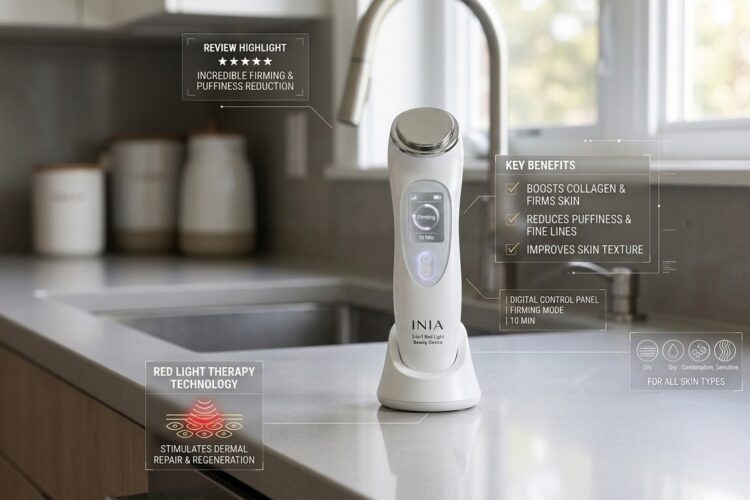
At-home skincare devices have moved from being a niche interest to a mainstream category, driven by advances in technology that have made treatments once reserved for clinical or professional settings increasingly accessible for everyday home use. Among the various device categories that have gained traction in recent years, red light therapy has attracted particular attention, supported by a growing body of research on its potential effects on skin health and cellular function. The INIA 3-in-1 Red Light Therapy Device for Face and Neck represents one option within this expanding market, designed to address concerns like puffiness and skin firming through a combination of light-based and complementary technologies in a single handheld tool.
This article takes a detailed look at what this device offers, how it can be incorporated into a skincare routine, who it may work well for, and what’s important to understand about at-home light therapy devices before investing in one.
Key Features
Red Light Therapy Technology
Red light therapy, sometimes referred to as photobiomodulation or low-level light therapy in clinical contexts, involves exposing the skin to specific wavelengths of red light, typically in the range of 630 to 700 nanometers for surface-level skin benefits. At these wavelengths, red light is absorbed by cells and is associated with stimulating mitochondrial activity, which in turn supports cellular energy production and various cellular repair processes. In the context of skincare, this cellular stimulation is most commonly associated with supporting collagen synthesis, improving circulation, and contributing to a firmer, more toned skin appearance over consistent use.
Three-in-One Functionality
The “3-in-1” designation indicates that this device combines multiple treatment technologies rather than relying on red light alone. At-home devices in this category commonly incorporate combinations such as red light with near-infrared light, microcurrent stimulation, or gentle vibration massage, each targeting different aspects of skin health and addressing multiple concerns within a single treatment session. The multi-modality approach is designed to make the device more versatile and comprehensive than a single-function tool.
Designed for Both Face and Neck
Many skincare devices focus exclusively on the facial area, but the INIA device is specifically designed for use on both the face and neck. The neck is an area that is often overlooked in skincare routines despite being one of the first areas to show signs of aging and skin laxity, so a device that addresses both areas adds practical value for those looking to maintain consistency in their overall skin health approach.
Puffiness Reduction Focus
One of the specific concerns this device targets is puffiness, particularly around the face. Puffiness often results from fluid retention, poor circulation, or lymphatic congestion, and certain device technologies — including gentle massage and microcurrent stimulation — are designed to support drainage and circulation in ways that can help reduce the appearance of puffiness with consistent use.
Skin Firming Positioning
Alongside puffiness, the device is positioned for skin firming, addressing the loss of tone and elasticity that occurs as collagen production naturally declines with age and environmental exposure. The red light therapy component’s association with collagen stimulation is central to this positioning, as firmer-looking skin is one of the outcomes most commonly associated with consistent red light therapy use in both clinical and consumer research.
White Design
The device comes in a white colorway, reflecting a clean, clinical aesthetic that aligns with the broader visual language of the skincare device category and fits comfortably within a bathroom or vanity setting.
Handheld and Portable Format
As a handheld device, the INIA tool is designed for convenient at-home use without the bulk or complexity of larger professional equipment. Its size makes it easy to use while seated at a mirror and practical to store within a typical skincare setup.
How It Can Be Used
As Part of an Evening Skincare Routine
Many users incorporate light therapy devices into their evening skincare routine, using the device after cleansing and before applying serums or moisturizers. The post-cleanse stage is generally considered optimal for device use, as clean skin without heavy product layers allows for better light penetration and device contact.
Targeted Treatment for Puffiness
For those who experience regular morning puffiness, particularly around the eyes and cheeks, using the device in the morning as part of a quick targeted routine can help support drainage and circulation in the areas most affected.
Consistent Neck and Décolletage Care
Given the device’s specific design for neck use, incorporating it into a routine that extends below the jawline allows for more consistent attention to an area that many skincare routines neglect. Regular use along the neck can address skin laxity concerns in this area alongside facial treatment.
Pre-Event Skin Preparation
Some users incorporate facial devices like this one as part of a pre-event preparation routine, using the massage and circulation-supporting functions to encourage a more refreshed, less puffy appearance before a significant occasion.
Complementing a Broader Anti-Aging Routine
For those who have already established a skincare routine with active ingredients targeting aging-related concerns, a red light therapy device can serve as a complementary tool that addresses similar concerns through a different mechanism — light-based cellular stimulation rather than topical chemistry.
Travel Use
The handheld, compact format makes this device relatively portable for those who want to maintain their skincare device routine while traveling, without requiring the larger equipment associated with professional treatments.
Who It May Be Suitable For
Those Interested in At-Home Device Treatments
People who are curious about incorporating skincare devices into their routine but want a more accessible entry point than high-end professional-grade equipment may find this device a reasonable starting point for exploring light-based treatments at home.
Those Concerned with Skin Firmness and Laxity
Anyone whose primary skincare concern involves maintaining or improving skin tone and firmness may find the device’s positioning around collagen stimulation and skin firming relevant to their specific goals.
People Who Experience Regular Facial Puffiness
Those who consistently deal with morning puffiness or fluid retention in the face may benefit from the device’s circulation-supporting functions, which are designed to address these concerns over consistent use.
Those Who Want to Extend Skincare Attention to the Neck
For those who recognize the neck as an area deserving more consistent skincare attention, a device designed explicitly for both face and neck use fills a practical gap that most topical products alone don’t fully address.
Skincare Enthusiasts Looking to Expand Their Routine
Those who already have a well-established topical skincare routine and are interested in exploring complementary device-based treatments may find this a practical addition that introduces a different category of skin support alongside their existing products.
Those Seeking a Non-Invasive Approach
People who are interested in addressing skin firming and anti-aging concerns without invasive procedures may find at-home light therapy devices an appealing option within a broader non-invasive skincare strategy.
Important Things to Consider
Consistency Is Essential for Results
Red light therapy and other device-based treatments generally require consistent, repeated use over time rather than producing dramatic results from a single session. Those who approach this type of device expecting immediate or significant changes from initial use may be disappointed. Building device use into a regular routine and maintaining that consistency over weeks and months is essential for seeing the kind of cumulative benefits these technologies are associated with.
Understanding the Evidence Base
While red light therapy has a growing body of clinical research supporting its use for specific skin concerns, the evidence landscape for at-home consumer devices specifically — rather than clinical equipment — is less extensive. Professional clinical devices typically operate at higher energy outputs than consumer devices, which affects how directly clinical research findings translate to at-home device use. Approaching at-home device treatments with realistic expectations informed by this distinction is important.
Eye Safety
When using any light-based device on the face, protecting the eyes from direct light exposure is important. Following the manufacturer’s specific guidance on eye safety during use is a non-negotiable precaution with any facial light therapy device.
Skin Conditions and Medical Considerations
Those with certain skin conditions, photosensitive conditions, or who are taking medications that increase photosensitivity should consult a dermatologist or healthcare professional before beginning any light-based skin treatment, even at home.
Device Cleaning and Maintenance
As a device that makes direct contact with the skin, regular cleaning according to the manufacturer’s instructions is important for hygiene and for maintaining the device’s performance over time.
Managing Expectations Around Firming Results
Skin firming is a gradual process regardless of the treatment approach, and the degree of improvement achievable through at-home device use will vary significantly based on individual skin condition, age, consistency of use, and complementary skincare practices. Managing expectations around the pace and magnitude of results is an important part of evaluating whether this type of product fits within a realistic skincare strategy.
Comparison of General Categories
Single-Function Red Light Therapy Devices
These devices focus exclusively on delivering red light at specific wavelengths without additional modalities. They are straightforward to use and understand but offer less versatility than multi-function devices. Single-function devices can sometimes offer more focused and powerful light output within their specific wavelength range.
Microcurrent Facial Devices
Microcurrent devices use low-level electrical currents to stimulate facial muscles and support skin tone, addressing firmness and lift through a different mechanism than light therapy. Some devices combine microcurrent with light therapy, while others focus on microcurrent alone.
LED Multi-Wavelength Masks
Full-face LED masks deliver light therapy across the entire face simultaneously rather than through a handheld device that requires targeted application. They can cover more surface area in a single session but tend to be bulkier and more expensive, and they don’t typically offer the targeted application flexibility of a handheld device.
Facial Massage and Gua Sha Tools
Traditional facial massage tools like gua sha stones or facial rollers address puffiness and circulation through physical manipulation rather than light-based technology. They represent a lower-tech, lower-cost approach to some of the same concerns addressed by devices like the INIA tool.
Multi-Function At-Home Devices
This category, which includes the INIA 3-in-1, combines multiple technologies — such as red light, near-infrared, and microcurrent or vibration — in a single device. These offer versatility and address multiple concerns within one tool but involve a higher degree of complexity in understanding what each modality contributes to the overall treatment.
Frequently Asked Questions
How often should this device be used for best results? Most at-home light therapy and multi-function devices recommend consistent use several times per week rather than daily or sporadic application. Following the specific usage frequency recommended in the device’s instructions is the most reliable guidance, as this is based on the device’s specific technology and output levels.
How long should each treatment session last? Session duration varies by device and treatment area, and the manufacturer’s instructions provide the most accurate guidance for this specific product. Most at-home device sessions range from a few minutes to around twenty minutes depending on the technology involved.
Can this device be used with skincare products on the skin? Some device modalities work best on clean skin, while others can be used over certain serums or gels. Following the manufacturer’s specific guidance on product use during treatment is important, as this varies by device type and technology.
Is red light therapy safe for all skin tones? Red light therapy is generally considered safe across a range of skin tones, as it works through photobiomodulation rather than targeting specific pigments. However, those with specific skin conditions or concerns should consult a professional before beginning any light-based treatment.
How long before results from red light therapy become noticeable? Results from consistent at-home red light therapy use are generally reported over a period of weeks to months rather than days. Individual timelines vary based on skin condition, consistency of use, and the specific concerns being addressed.
Can this device be used around the eye area? Following the manufacturer’s specific guidance on use near the eye area is essential, as light therapy devices require caution around the eyes and specific instructions will vary by product.
Does the device require any special charging or power source? Checking the specific power and charging requirements for this device in the product documentation is recommended, as these details vary by model.
Conclusion
The INIA 3-in-1 Red Light Therapy Device for Face and Neck represents an accessible entry point into at-home light-based skincare treatments, combining multiple technologies in a single handheld tool designed for both facial and neck use. Its focus on puffiness reduction and skin firming aligns with two of the more common concerns that drive interest in device-based skincare, and its clean white design fits comfortably within a contemporary skincare setup. As with any skincare device, the most important factors in determining its value are consistency of use over time, realistic expectations about the pace and degree of results, and an understanding of how it fits within a broader, well-rounded skincare approach. For those interested in exploring light-based at-home treatments as a complement to their topical skincare routine, this device offers a multi-function option worth considering.